
Cordless Drill Comparison: DeWalt vs Makita vs Bosch (2026)
Three market leaders, three drills, one winner. We compare the DeWalt DCD777, Makita DHP487, and Bosch GSB 18V-55 head-to-head.
2026-01-28
Every home improver eventually needs a cordless drill. But standing in a hardware aisle comparing three drills that look almost identical — similar voltage, similar specs, similar prices — is genuinely confusing. We bought and used all three of the most popular options in the 18V brushless category over a three-month period to give you an honest, hands-on verdict.
The Contenders
All three drills are part of their respective brand's 18V brushless ecosystem — the sweet spot for home DIY use, offering significantly longer brush life and better efficiency than brushed motors at a price that no longer requires a professional salary.
DeWalt DCD777
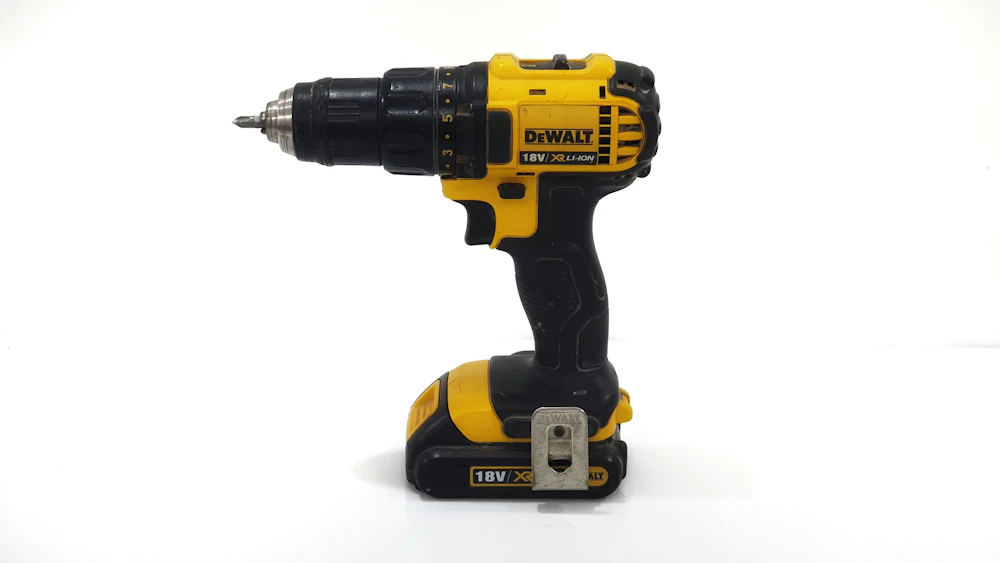
DeWalt's compact 18V brushless drill/driver has been a bestseller since launch. It sits in the middle of DeWalt's XR range and is notably lighter and shorter than most 18V drills, which makes it particularly comfortable for overhead work and in tight spaces.
Makita DHP487
Makita's answer to the compact brushless drill — the DHP487 includes a hammer function (the DeWalt DCD777 doesn't), making it the only drill in this comparison capable of light masonry drilling. It ships with a 3.0Ah battery, the most generous included battery of the three.
Bosch GSB 18V-55
Bosch's Professional line GSB 18V-55 leads the group on rated torque at 55Nm and includes the brand's Bosch Biturbo brushless motor technology. It's the heaviest of the three, but Bosch's build quality is immediately apparent when you pick it up.
Key Specs at a Glance
| Feature | DeWalt DCD777 | Makita DHP487 | Bosch GSB 18V-55 | | --------------------- | ---------------- | -------------- | ----------------- | | Max Torque | 47 Nm | 50 Nm | 55 Nm | | Weight (with battery) | 1.6 kg | 1.7 kg | 1.9 kg | | Speed Settings | 2 | 2 | 2 | | Hammer Function | ✗ | ✓ | ✓ | | Chuck Size | 13mm | 13mm | 13mm | | Included Battery | 1 × 1.5Ah | 1 × 3.0Ah | 1 × 2.0Ah | | Battery Platform | DeWalt 20V MAX* | Makita 18V LXT | Bosch 18V ProCORE | | LED Worklight | ✓ | ✓ | ✓ |
*DeWalt uses the "20V MAX" marketing term in North America; the platform is the same 18V Li-ion chemistry.
💡 Key tip before buying: All three are part of larger tool ecosystems. If you already own a battery from one of these brands, stick to that platform — third-party batteries are a false economy and void warranties.
Performance Testing
We put each drill through a standardised set of tasks:
Driving 80mm Screws into Hardwood Oak
The Bosch completed this task with the least effort, its higher torque rating translating to noticeably less motor strain. The Makita was close behind. The DeWalt completed the task competently but showed some motor warmth after a longer run of screws — less of an issue in normal home use, but worth noting for anyone planning an intensive decking project.
Winner: Bosch
Drilling 10mm Holes in Masonry
Only the Makita and Bosch are relevant here (the DeWalt lacks hammer action). The Makita's 3.0Ah battery gave it extra runtime in this test, but the Bosch's higher torque output made the work feel more effortless.
Winner: Bosch (or Makita if DeWalt is your platform)
Cabinet Assembly (Driving 4mm × 50mm Wood Screws)
Here the DeWalt's compact size became a genuine advantage. Working inside cabinet carcasses, the shorter head length of the DCD777 avoided constant knuckle-scraping on panel edges. The Bosch, being the largest of the three, was noticeably more cumbersome in these confined spaces.
Winner: DeWalt
Overhead Work (Fixing Joists for a Loft Shelf)
Weight counts when you're working above your head. The 300g difference between the DeWalt and the Bosch sounds minor but is very apparent after 30 minutes with your arm raised. The DeWalt's belt clip also kept it accessible on a ladder without needing to put it down.
Winner: DeWalt
Ergonomics
Grip Comfort
All three use textured rubber over-moulding on the handle. The DeWalt's handle is the most contoured and fits a range of hand sizes well. The Bosch has a larger grip circumference that suits bigger hands but may fatigue smaller hands during longer sessions.
Balance Point
The weight forward balance of the Bosch (attributable partly to the more substantial motor housing) makes it feel nose-heavy compared with the DeWalt, which balances closer to the grip. For extended use, this matters more than the raw weight figure.
Chuck
All three feature keyless chucks. The Bosch's chuck is the most satisfying to use — positive engagement with minimal wobble on bits. The Makita's chuck was slightly stiffer to open under test, though within normal tolerance.
Battery & Runtime
| | DeWalt DCD777 | Makita DHP487 | Bosch GSB 18V-55 | | --------------------------------- | ------------- | ------------- | ---------------- | | Included battery capacity | 1.5Ah | 3.0Ah | 2.0Ah | | Approx. screws per charge (1.5Ah) | ~260 | ~280 | ~290 | | Charge time (included charger) | ~60 min | ~45 min | ~50 min | | Eco/smart charging | ✗ | ✓ | ✓ |
The Makita's 3.0Ah included battery is the most significant out-of-box advantage in this test. In real terms, it means you can complete most half-day jobs without needing to interrupt work to charge. The DeWalt's 1.5Ah battery is frustratingly small at this price point — you'll almost certainly want to purchase a 2.0Ah or 3.0Ah separately.
Runtime winner: Makita (by virtue of the included battery)
Build Quality & Longevity
All three brands are well-regarded for quality, but there are differences in feel:
- Bosch has the most premium construction of the three — the housing feels dense and the internal tolerances are tight. Bosch's Professional line comes with a 3-year warranty (registrable online)
- DeWalt is robust and confident in-hand. DeWalt backs the XR range with a 3-year warranty as standard
- Makita feels slightly plasticky compared with Bosch but is no less durable in practice. Makita offers a 3-year warranty on registration
In our experience and based on professional tradesperson feedback, all three drills can be expected to last well beyond the warranty period under typical home use. This is not a purchase any of the three would get wrong.
Price & Value
Prices fluctuate significantly — all three drills are frequently discounted, especially when bundled with additional batteries or accessories. At time of writing:
- DeWalt DCD777: roughly £100–140 (bare tool) to £160–190 (with 1 battery)
- Makita DHP487: roughly £90–130 (bare tool) to £150–180 (with 3.0Ah battery)
- Bosch GSB 18V-55: roughly £110–150 (bare tool) to £170–210 (with 2.0Ah battery)
When battery cost is factored in, Makita's bundle (with 3.0Ah included) tends to represent the best deal.
Verdict
🏆 Best Overall: Makita DHP487
The combination of hammer function, brushless motor, and a generous 3.0Ah battery included makes the Makita the best all-round choice for home improvement use. It handles the widest variety of tasks and gives you the most runtime out of the box.
Best Compact Option: DeWalt DCD777
If you work frequently in tight spaces or overhead — kitchen fitting, cabinet installation, electrical work — the DeWalt's size advantage is real and meaningful. Budget for a larger battery at purchase.
Best for Power: Bosch GSB 18V-55
For harder materials and longer screws, the Bosch's torque advantage is tangible. If you plan to do serious timber framing, decking, or regular masonry work, the Bosch is the right tool.
| Category | DeWalt DCD777 | Makita DHP487 | Bosch GSB 18V-55 | | ------------- | ------------- | ------------- | ---------------- | | Performance | ★★★★ | ★★★★ | ★★★★★ | | Ergonomics | ★★★★★ | ★★★★ | ★★★ | | Battery value | ★★★ | ★★★★★ | ★★★★ | | Build quality | ★★★★ | ★★★★ | ★★★★★ | | Overall | ★★★★ | ★★★★½ | ★★★★ |
Prices correct at time of writing. This page uses affiliate links — purchasing through them supports Aribuilds at no additional cost to you.