
Top 10 Furniture Pieces to Transform Your Living Room (2026)
From statement sofas to stylish storage, here are the best furniture buys to upgrade your living room without breaking the bank.
2026-01-20
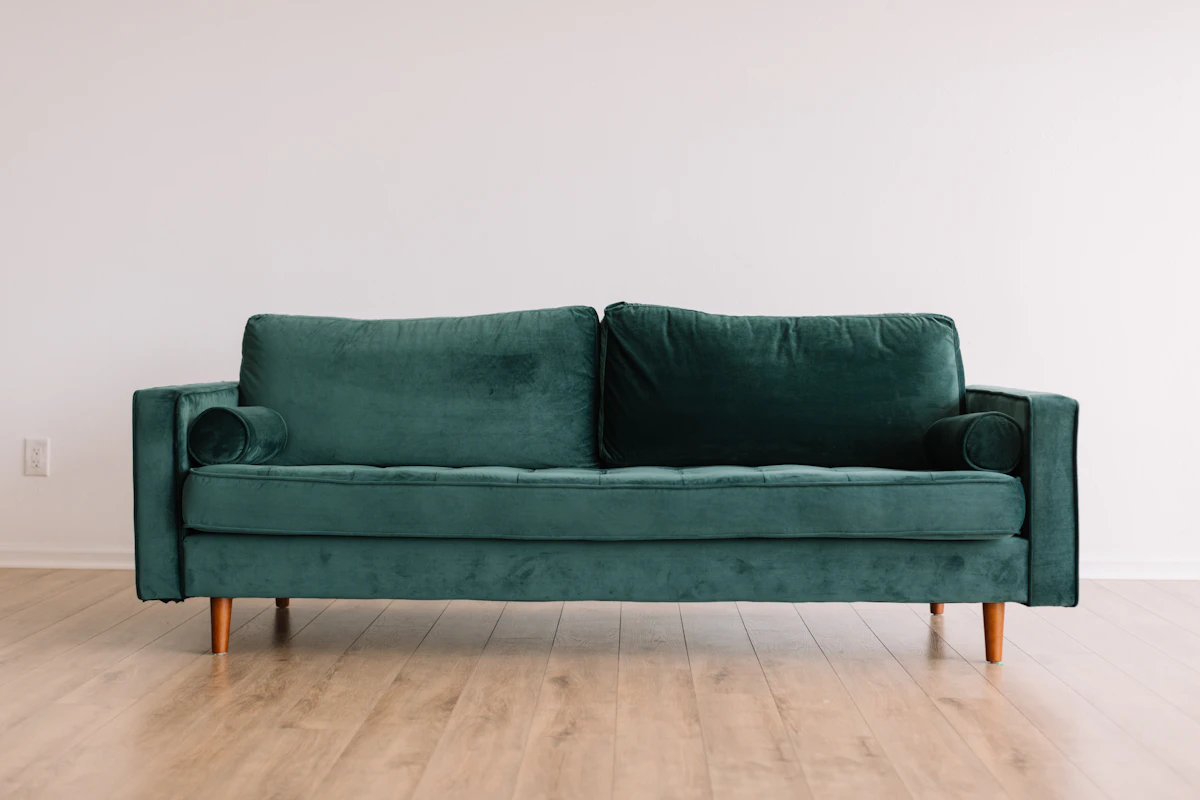
The living room is where first impressions are made and where most of your time at home is spent — yet it's often the room people put off decorating because the decisions feel overwhelming. The good news is you don't need to spend a fortune or design a whole room from scratch to make an impact. The right single piece of furniture can pull an entire space together.
We've put together this guide based on hundreds of customer reviews, in-store testing, and input from interior design professionals. These are the ten pieces that consistently deliver the most visible transformation per pound spent.
1. The Right Sofa

No single decision has more impact on a living room than the sofa. It defines the scale, colour palette, and mood of the entire space. Before buying:
Measure twice, buy once. The most common mistake is buying a sofa that's too large. In a standard UK living room (roughly 4m × 5m), a 3-seat sofa should be no wider than 210–220cm. Always measure the room and your doorways — sofas are notoriously difficult to manoeuvre.
Choose the frame material wisely. Hardwood frames (kiln-dried beech or oak) last decades. Softwood and particleboard frames show wear within 3–5 years under normal use.
Upholstery: For families with children or pets, a performance fabric (tightly woven, stain-resistant) is a far more practical choice than linen or velvet, regardless of how good the velvet looks in the showroom.
💡 Tip: Order fabric samples before committing. Fabric looks materially different under showroom lighting compared to natural light at home.
2. A Solid Timber Coffee Table
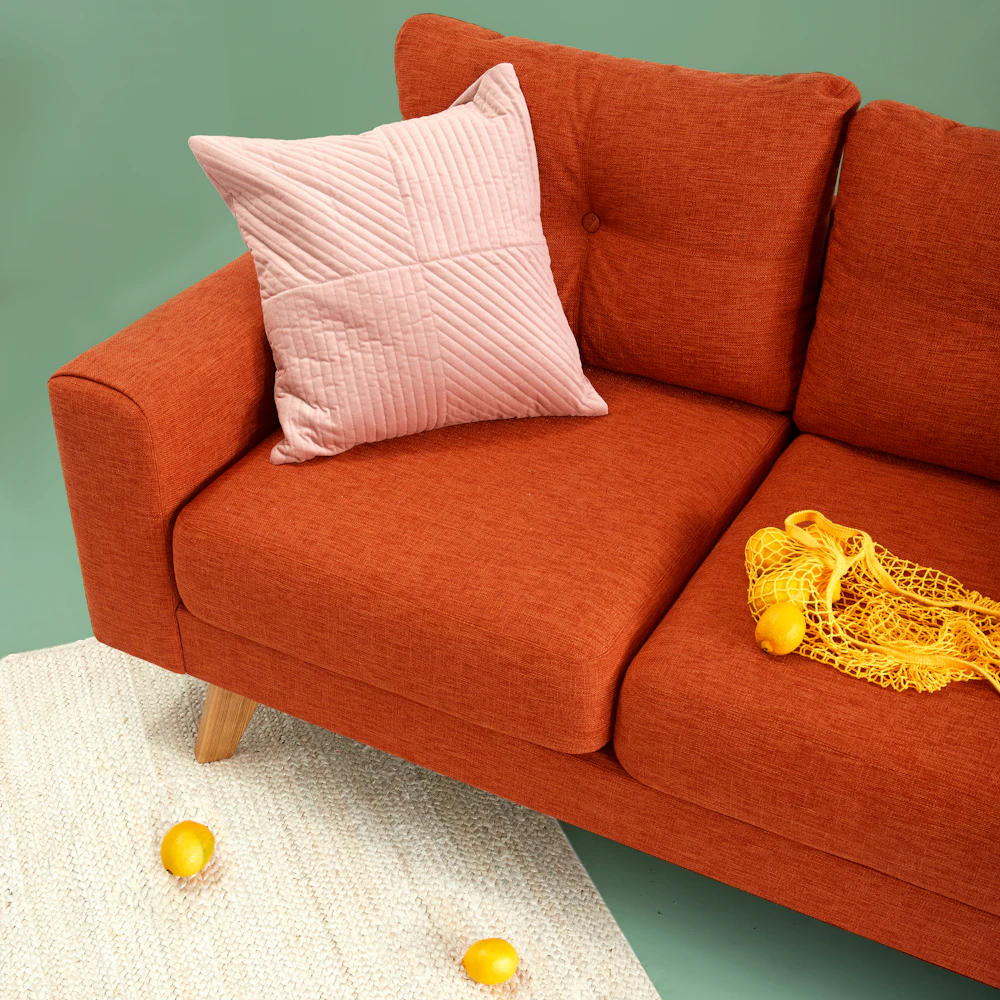
A well-made coffee table pulls together a seating arrangement and gives the room a focal point. Solid timber (oak, walnut, or pine) ages beautifully and can be sanded and refinished if it gets scratched — something you simply can't do with veneer or glass-top versions.
Size guideline: The coffee table should be roughly two-thirds the length of the sofa, and low enough that you can comfortably reach it from the sofa without leaning forward.
Shape: Round or oval tables work better in smaller rooms — no sharp corners to catch legs, and easier to walk around.
3. A Statement Armchair
An armchair in an accent colour or a contrasting texture introduces visual interest without the commitment of repainting walls. A jewel-tone velvet armchair (forest green, midnight blue, rust) still reads as contemporary and elevates a neutral room dramatically.
Look for chairs with removable, washable seat cushion covers — the difference between a chair that ages gracefully and one that looks grubby after two years.
4. A Media Unit / TV Bench
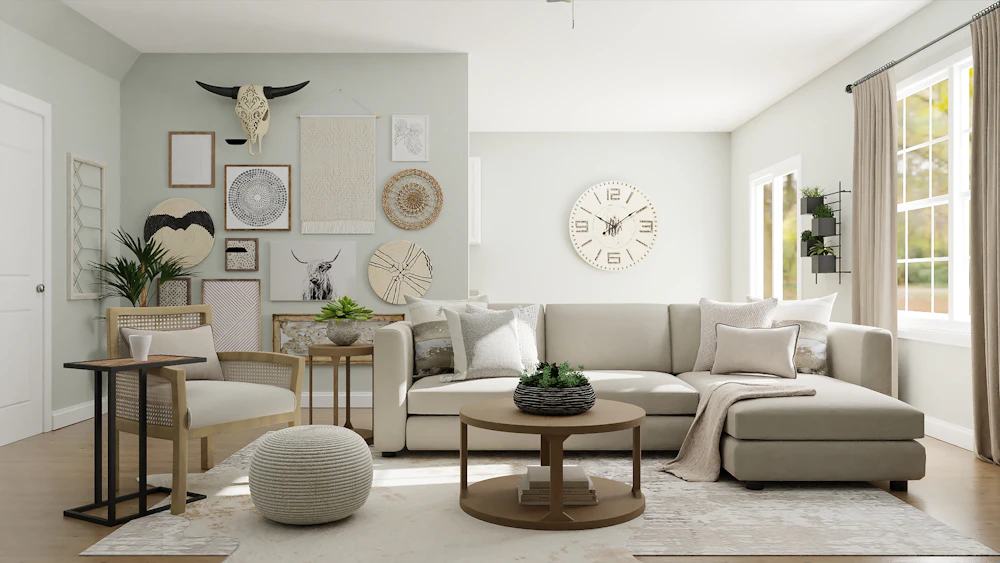
The area around the television is one of the most cluttered zones in any living room. A proper media unit with concealed cable management and enclosed storage for set-top boxes, gaming consoles, and routers transforms what is usually visual noise into a clean, intentional arrangement.
Two approaches work well:
- Floating shelf/unit at approximately 45–55cm height — gives the impression of more floor space
- Low-profile sideboard — provides worktop surface and substantial hidden storage
Avoid media units that force you to point the remote through a closed door. Check that any enclosed compartment has an IR-repeater-friendly panel or adequate open space for receivers.
5. Bookshelves or Display Shelving
Open shelving adds personality and a sense of depth to a living room that solid-furniture-only arrangements can't achieve. The key is restraint in styling — a shelf that's stuffed to capacity looks chaotic. Aim for 70–75% fill, mixing books, objects, and intentional empty space.
Built-in look on a budget: Flanking a fireplace or TV wall with two matching tall bookcases creates an architectural built-in appearance at a fraction of the cost of joinery work.
6. A Large Area Rug
A rug defines zones, adds warmth, and absorbs sound — particularly important in rooms with hard flooring. The most common mistake is choosing a rug that's too small.
Sizing rule: In a seating arrangement, the rug should be large enough that at minimum the front legs of the sofa and chairs rest on it. Ideally, all four legs of every piece of seating sit on the rug.
Material: Wool rugs are warm, durable, and naturally stain-resistant. Polypropylene rugs are cheaper and easier to clean — a practical choice for high-traffic households.
7. Side Tables
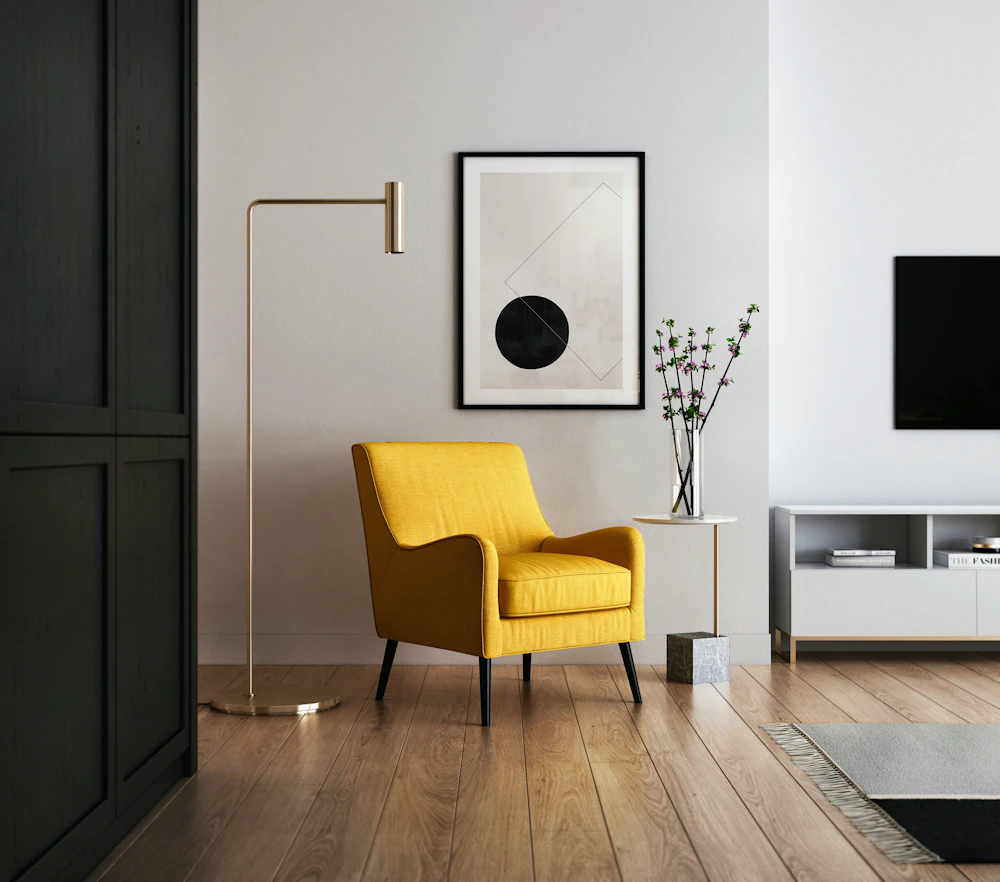
Often overlooked but practically essential. A side table gives every seat in the room a surface for a drink, a lamp, or a phone. Nesting side tables (sets of 2–3 tables that stack together) are particularly good for smaller rooms — they can be pulled out individually when needed and stacked away to free up floor space.
Material pairing tip: If the room has a lot of wood tones, introduce contrast with a metal or marble-effect side table. If the room is already heavily mixed-material, stick to one consistent material for the tables.
8. A Floor Lamp
Overhead lighting from a single pendant or ceiling fixture flattens a room, creates harsh shadows, and makes spaces feel smaller and less inviting. Adding two or three light sources at different heights — including at least one floor lamp — transforms the atmosphere entirely.
An arc lamp positioned over one arm of the sofa reads as both functional (task lighting) and sculptural. In a room where you can't retrofit new ceiling fixtures easily, a tall statement floor lamp is the single fastest way to add warmth and drama.
9. Storage Ottoman
A storage ottoman delivers three functions in the space of one piece of furniture: extra seating for guests, a footrest, and hidden storage for throws, remote controls, and anything else you want accessible but out of sight.
For living rooms short on floor space, a rectangular storage ottoman can replace the coffee table entirely — with a tray on top, it functions as a surface for drinks and books while giving you all the storage and seating benefits underneath.
10. Curtains or Blinds

Window dressings are often the last thing people buy, but they have an outsized effect on how a room feels. Bare windows make a room feel unfinished regardless of the furniture quality.
Hanging them correctly matters most: Curtains hung at ceiling height (rather than just above the window) make ceilings look taller. Curtains that extend 30–45cm wider than the window frame let in maximum light when open and make the window appear larger than it is.
For living rooms: Lined curtains in a medium-weight fabric (interlined if budget allows) add genuine insulation value as well as aesthetics. A good pair of lined curtains can reduce heat loss through a window by up to 25%.
Budgeting Your Refresh
| Piece | Budget | Mid-range | Investment | | --------------- | -------- | ---------- | ---------- | | Sofa | £400–600 | £800–1,500 | £2,000+ | | Coffee Table | £80–150 | £200–400 | £500+ | | Armchair | £150–300 | £400–700 | £1,000+ | | Media Unit | £100–200 | £300–600 | £800+ | | Bookshelf | £60–100 | £150–300 | £500+ | | Area Rug | £80–150 | £200–500 | £800+ | | Side Tables | £40–80 | £100–200 | £300+ | | Floor Lamp | £30–70 | £100–200 | £300+ | | Storage Ottoman | £60–100 | £150–300 | £400+ | | Curtains (pair) | £40–80 | £150–300 | £400+ |
Prices correct at time of writing. All product links on this page are affiliate links — purchasing through them helps support Aribuilds at no extra cost to you.