

How to Build a Raised Deck
Build a raised deck attached to the house at about 42 in above grade. This guide covers permits, deep footings, ledger flashing, framing, stairs, and a code compliant railing. Written for a typical 12 ft by 16 ft deck using 6x6 posts and 2x8 joists.
Project gallery
Confirm permits and design
Raised decks almost always require a building permit. Many areas also require engineered drawings when the deck is over 30 in above grade. Call your building department and confirm permit rules, footing depth, and approved ledger attachment methods. Call 811 before digging and sketch a plan, such as a 12 ft by 16 ft deck attached to the house.
Ask which inspections are required and schedule the footing inspection early.
Lay out the deck with batter boards
Set batter boards about 2 ft outside each corner so the layout survives digging. Run string lines and set the height to the finished deck surface. Square the layout using the 3-4-5 method or by checking both diagonals. Mark the footing centers with a plumb bob.
Keep batter boards outside the dig area.
Dig footings below the frost line
Dig holes to the local frost depth. For a raised deck, many inspectors want a 16 in diameter footing for 6x6 posts. Keep the bottoms flat and level. Add about 6 in of pea gravel to each hole for drainage.
Do not pour concrete before the footing inspection.
Pour concrete and set anchors
Set tube forms so the tops sit 2 to 3 in above grade. Pour concrete in lifts and tamp each lift. While the mix is wet, set an uplift rated post anchor or J bolt and align it to the string lines. Let the concrete cure at least 24 hours before loading.
Check anchor alignment with a plumb bob before the concrete sets.
Set and brace posts
Install 6x6 posts in the anchors and plumb them in both directions. Brace each post with temporary 2x4 kickers. Leave the posts long until the beam height is established so you can trim them level.
Do not fully tighten anchor hardware until all posts are plumbed.
Flash and install the ledger
Remove siding in the ledger zone so the ledger bears on solid framing. Apply self adhering flashing tape to the band joist, then install the ledger with LedgerLOK screws in two staggered rows. Install Z flashing over the ledger and tuck it under the siding above. Seal all penetrations with exterior sealant.
Never install a ledger over siding or foam. It traps water and causes rot.
Build and set the beam
Fasten two beam boards together with 16d hot dip galvanized nails in staggered rows. Crown both boards the same direction. Set the beam on the post caps and check for level along its length.
Crown the beam boards up before fastening.
Install rim joists and square the frame
Attach rim joists to the beam and ledger to form the perimeter. Crown each board up. Check both diagonals and adjust until they match. Fasten with structural screws at about 12 in on center.
Square the frame before you install any interior joists.
Hang joists, add blocking, and tape
Mark the ledger and rim at 16 in on center. Install joist hangers and set each joist. Add hurricane ties at the rim end. Install blocking at mid span if required, then apply joist tape to every joist and rim board.
Fill every hanger hole with the correct nails.
Install deck boards
Lay deck boards starting at the ledger and work outward. Use a 1/8 in spacer unless boards are very wet. Drive two deck screws per joist. Snap a chalk line every few boards to keep the run straight. Cut the overhang in one pass and seal every cut end.
Seal cut ends within 30 minutes of cutting.
Build and attach stairs
Measure the total rise from finished deck surface to grade. Divide by a target riser height to get the number of steps, then lay out the stringers. Cut stringers from 2x12 stock, attach them to the rim with brackets, and set the bottom on a concrete pad. Install treads and risers.
Stairs with 4 or more risers require a graspable handrail.
Install railing and finish
Install a 42 in tall guardrail on open sides. Space balusters so a 4 in sphere cannot pass. Through bolt railing posts to the rim joist and add a graspable handrail along the stairs. Schedule the final inspection if required. Let pressure treated lumber dry before staining.
Use stainless or hot dip galvanized fasteners for all railing hardware.
Materials Required
| Product | Qty |  |  |
|---|---|---|---|
📦Other Materials32 items | $1,249.80 | ||
 2-in x 6-in x 16-ft Above Ground Pressure-Treated Deck Board (UC3B) ⚠ 2×6×16 UC3B (Above Ground) — raised deck boards never contact soil; UC3B is correct and less expensive than UC4A | 24boards | $21.08 | View |
🔩 2-in x 8-in x 16-ft Above Ground Pressure-Treated Joist / Rim (UC3B) ⚠ 2×8×16 UC3B (Above Ground) — rim joists ×2 + header boards ×2; above grade so UC3B is correct, not UC4A | 4boards | — | — |
🔩 2-in x 8-in x 12-ft Above Ground Pressure-Treated Joist (UC3B) ⚠ 2×8×12 UC3B (Above Ground) — interior joists at 16" o.c.; crown up | 13boards | — | — |
🔩 2-in x 10-in x 16-ft Above Ground Pressure-Treated Beam (UC3B) ⚠ 2×10×16 UC3B (Above Ground) — doubled beam, 2 plies per post line; face-nail with 16d HDG at 16" o.c. | 4boards | — | — |
🔩 6-in x 6-in x 10-ft In-Ground Pressure-Treated Post (UC4B) ⚠ 6×6×10 UC4B (In-Ground) — embedded posts require UC4B; cut to height on site after plumbing; add 12 in to target height for trim allowance | 6posts | — | — |
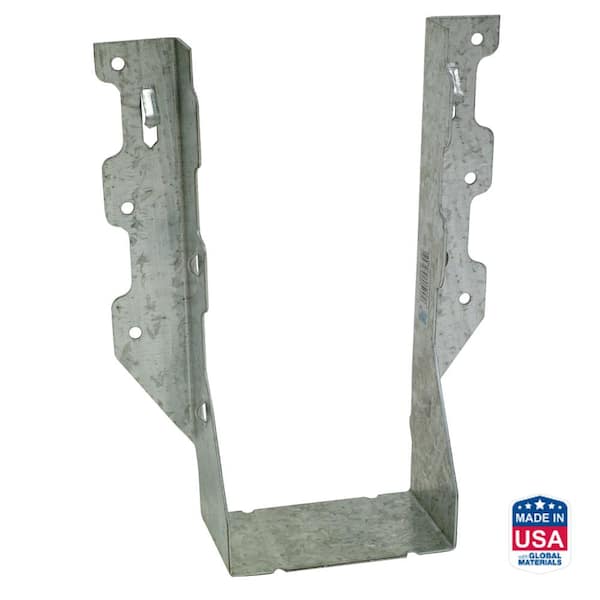 Simpson Strong-Tie LUS28Z ZMAX Face-Mount Joist Hanger for 2x8 Simpson Strong-Tie ⚠ Single 2×8 joist hanger ZMAX LUS28Z — 1 pack per side = 2 packs for 13 interior joists; fill ALL nail holes | 2packs | View | View |
🔩 6-in Standoff Post Base ZMAX ABA66Z Simpson Strong-Tie ⚠ 6-in standoff post base ZMAX ABA66Z — 6 posts; use ABA/ABU with uplift rating for raised deck wind exposure | 6each | — | View |
🔩 6x6 Post Cap ZMAX AC6Z Simpson Strong-Tie ⚠ 6×6 post cap ZMAX AC6Z — post-to-beam connection; alternately use BC6 saddle cap for stronger connection | 6each | — | — |
🔩 Simpson Strong-Tie H2.5AZ 18-Gauge ZMAX Hurricane Tie Simpson Strong-Tie ⚠ Hurricane tie H2.5AZ — 1 per joist end at beam and at ledger; 13 joists × 2 ends + extras | 28each | — | — |
🔩 Deck Ledger Connector ZMAX LCE4Z (5-Pack) Simpson Strong-Tie ⚠ Deck ledger connector LCE4Z — at beam-to-ledger-joist junction | 1pack | — | — |
🔩 LedgerLOK 1/4-in x 4-in Structural Ledger Screw (50-Pack) FastenMaster ⚠ FastenMaster LedgerLOK 4-in 50-pk — 2 rows staggered at 16" o.c. for a 12-ft ledger; ~25 screws per row = ~50 screws total; 1 pack with spares | 2packs | — | — |
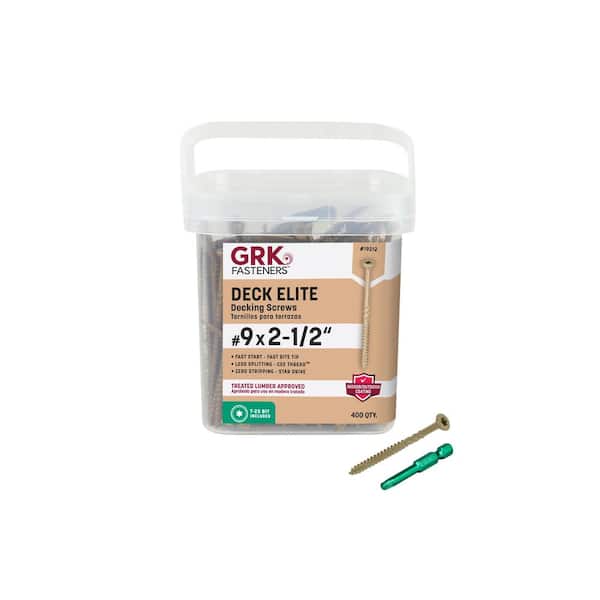 Deck Elite Wood Deck Screw #9 x 2-1/2-in Star Drive Bugle Head (400-Pack) GRK Fasteners ⚠ GRK Deck Elite 2-1/2" — face-screwing deck boards; Zip-Tip point; Climatek coating REQUIRED for ACQ lumber | 2boxes | View | View |
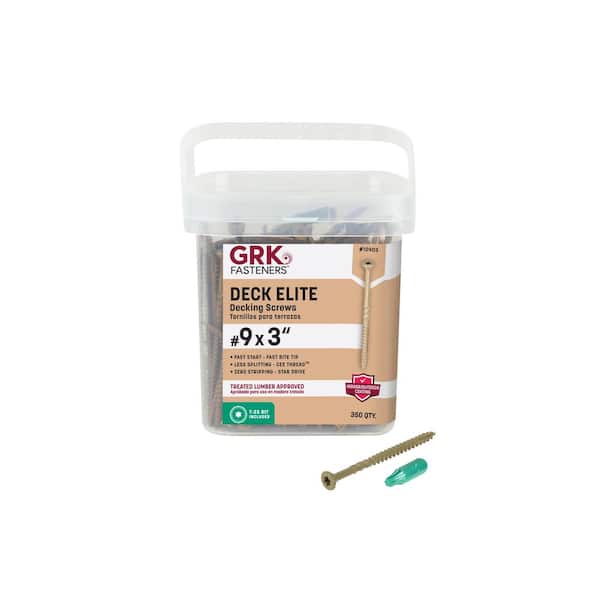 Deck Elite Wood Deck Screw #9 x 3-in Star Drive Bugle Head (350-Pack) GRK Fasteners ⚠ GRK Deck Elite 3" — framing connections, blocking, rim-to-beam; NOT for exposed deck surface | 2boxes | View | View |
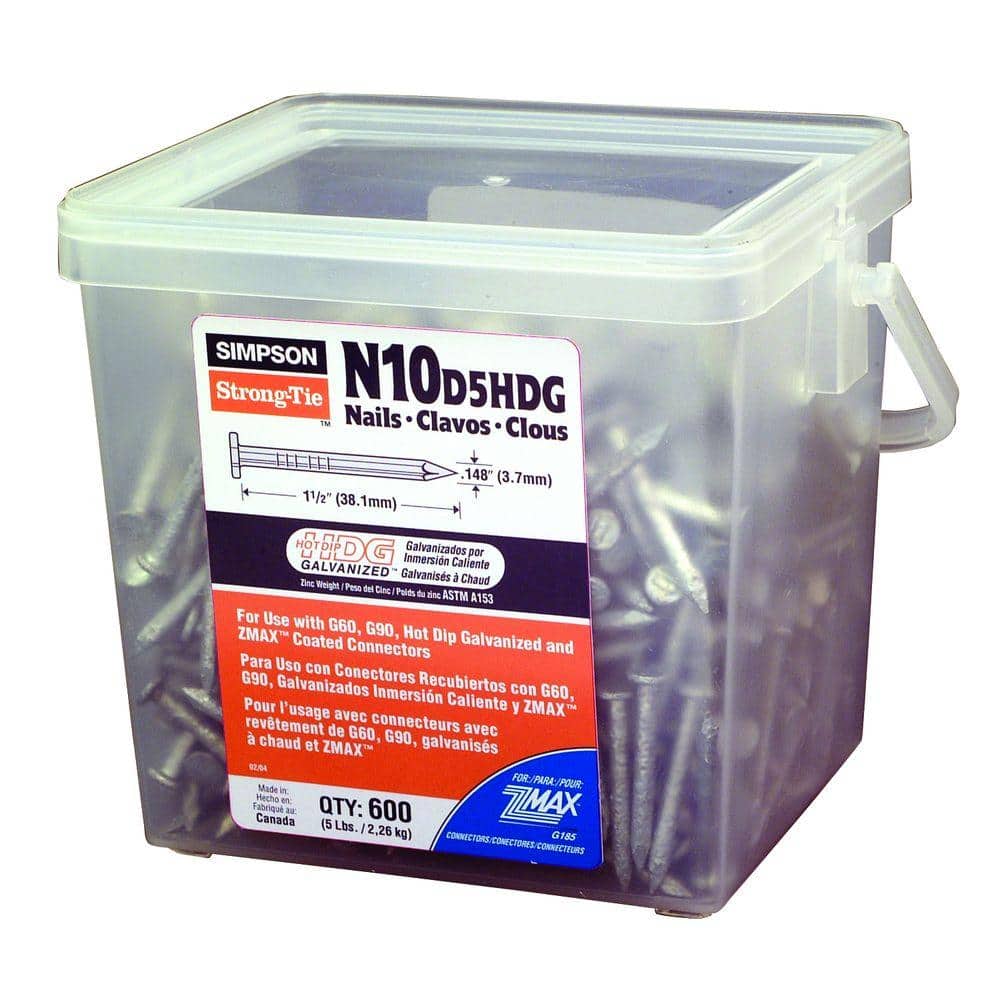 Strong-Drive 10d x 1-1/2 in. SCN Smooth-Shank Connector Nail Hot-Dip Galvanized (5 lb.) Simpson Strong-Tie ⚠ 10d HDG joist hanger nails — ALL holes in hangers must be filled; no shortcuts | 2boxes | — | — |
🔩 2-in x 12-in x 12-ft Above Ground Pressure-Treated Stringer Blank (UC3B) ⚠ 2×12×12 UC3B stringer blank — 3 stringers; minimum 3-1/2 in effective depth after tread/riser cuts (IRC R311.7.6.1) | 3boards | — | — |
🔩 Stair Stringer Angle Bracket Galvanized (2-Pack) Simpson Strong-Tie ⚠ Simpson stair stringer angle bracket — attach each stringer to deck rim joist with 2 structural bolts | 3each | — | — |
 Concrete Mix 80 lb Quikrete ⚠ Quikrete 80 lb — 3 bags per 16-in diameter footing × 6 footings; raised deck footings go deeper (frost line) so use more concrete | 18bags | $6.98 | View |
🔩 Tube Form Concrete Column 10-in x 48-in Quikrete ⚠ Tube form 12-in × 48-in — set below frost line; top of form should be 2–3 in above grade | 6each | — | — |
🔩 Post Anchor J-Bolt Kit with Nut & Washer (4-Pack) Simpson ABU44 ⚠ J-bolt post anchor kit — or upgrade to ABU66Z anchor; set in wet concrete, align to string | 6each | — | — |
🔩 Pea Gravel 0.5 cu ft Bag ⚠ Pea gravel 0.5 cu ft — 6-in drainage base at bottom of each footing hole | 6bag | — | — |
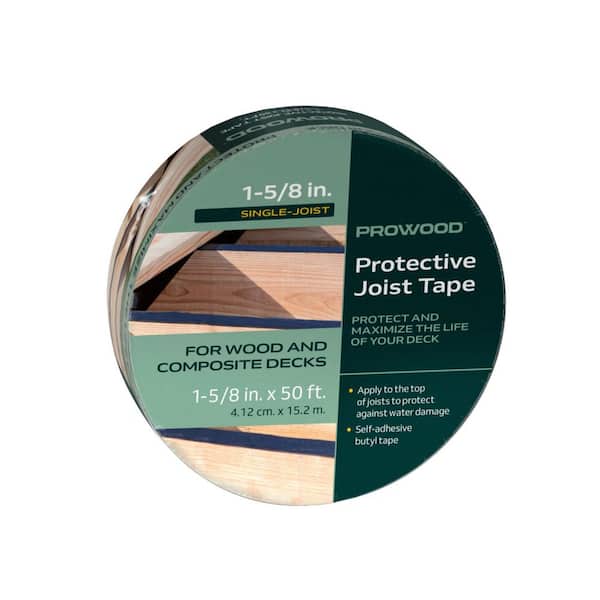 Black Butyl Joist Tape 1-5/8-in x 50-ft ProWood ⚠ ProWood black butyl joist tape 50 ft — apply to top of ALL joists before decking; 4 rolls covers 200 LF | 4rolls | View | View |
🔩 Self-Adhesive Ledger Flashing Tape 4-in x 50-ft Vycor Plus ⚠ Vycor Plus ledger flashing 4"×50ft — apply to band joist before ledger; most critical waterproofing on the whole deck | 1roll | — | — |
🔩 Z-Flashing Drip Edge Aluminum 10-ft Amerimax ⚠ Z-flashing aluminum drip edge 10 ft — cap ledger top; tuck under siding above | 2pieces | — | — |
🔩 Silicone II Exterior Sealant 10.1 oz Clear GE ⚠ GE Silicone II exterior — seal all flashing overlaps and fastener penetrations | 2tubes | — | — |
🔩 Wood Preservative End-Cut Solution 1 qt Copper Green ⚠ End-cut preservative — apply to EVERY cut end of PT lumber within 30 min of cutting | 1qt | — | — |
 Composite Fascia Board 1-in x 8-in x 12-ft (Toasted Sand) Trex Enhance ⚠ Trex Enhance composite fascia 1×8×12 — covers all exposed rim joists on 3 open sides (not ledger side) | 8boards | $77.28 | View |
🔩 Trex Transcend Tree House 4-in x 4-in x 40-in Composite Post Sleeve Trex ⚠ Trex Transcend line post 4×4×6 — mount to rim joist face; 1 per ≤ 6 ft; use stainless hardware only | 9posts | — | — |
🔩 Composite Square Baluster 32-in (10-Pack, Classic White) Trex Transcend ⚠ Trex Transcend square baluster 32-in 10-pk — 44 LF railing ÷ 4-in spacing ≈ 132 balusters; 9 packs with spare | 9packs | — | — |
🔩 Composite Top Rail 8-ft (Tree House) Trex Transcend ⚠ Trex Transcend top rail 8 ft — 44 LF ÷ 8 ft = 6 full + cuts; buy 8 to account for waste | 8rails | — | — |
🔩 Composite Bottom Rail 8-ft (Tree House) Trex Transcend ⚠ Trex Transcend bottom rail 8 ft — same quantity as top rail | 8rails | — | — |
🔩 Post Sleeve & Skirt Kit 4x4 Trex Transcend ⚠ Post sleeve & skirt kit — 1 per post to cover mounting hardware | 9each | — | — |
🔩 Exterior Wood Stain & Sealer Natural Cedar 5 gal Ready Seal ⚠ Ready Seal 5-gal stain & sealer — apply AFTER lumber dries (6–12 months); composite decking does not require sealing | 1can | — | — |
| Estimated Total | $1,249.80 | — | |
2-in x 6-in x 16-ft Above Ground Pressure-Treated Deck Board (UC3B)
24 boards
⚠ 2×6×16 UC3B (Above Ground) — raised deck boards never contact soil; UC3B is correct and less expensive than UC4A
2-in x 8-in x 16-ft Above Ground Pressure-Treated Joist / Rim (UC3B)
4 boards
⚠ 2×8×16 UC3B (Above Ground) — rim joists ×2 + header boards ×2; above grade so UC3B is correct, not UC4A
2-in x 8-in x 12-ft Above Ground Pressure-Treated Joist (UC3B)
13 boards
⚠ 2×8×12 UC3B (Above Ground) — interior joists at 16" o.c.; crown up
2-in x 10-in x 16-ft Above Ground Pressure-Treated Beam (UC3B)
4 boards
⚠ 2×10×16 UC3B (Above Ground) — doubled beam, 2 plies per post line; face-nail with 16d HDG at 16" o.c.
6-in x 6-in x 10-ft In-Ground Pressure-Treated Post (UC4B)
6 posts
⚠ 6×6×10 UC4B (In-Ground) — embedded posts require UC4B; cut to height on site after plumbing; add 12 in to target height for trim allowance
Simpson Strong-Tie LUS28Z ZMAX Face-Mount Joist Hanger for 2x8
Simpson Strong-Tie
2 packs
⚠ Single 2×8 joist hanger ZMAX LUS28Z — 1 pack per side = 2 packs for 13 interior joists; fill ALL nail holes
6-in Standoff Post Base ZMAX ABA66Z
Simpson Strong-Tie
6 each
⚠ 6-in standoff post base ZMAX ABA66Z — 6 posts; use ABA/ABU with uplift rating for raised deck wind exposure
6x6 Post Cap ZMAX AC6Z
Simpson Strong-Tie
6 each
⚠ 6×6 post cap ZMAX AC6Z — post-to-beam connection; alternately use BC6 saddle cap for stronger connection
Simpson Strong-Tie H2.5AZ 18-Gauge ZMAX Hurricane Tie
Simpson Strong-Tie
28 each
⚠ Hurricane tie H2.5AZ — 1 per joist end at beam and at ledger; 13 joists × 2 ends + extras
Deck Ledger Connector ZMAX LCE4Z (5-Pack)
Simpson Strong-Tie
1 pack
⚠ Deck ledger connector LCE4Z — at beam-to-ledger-joist junction
LedgerLOK 1/4-in x 4-in Structural Ledger Screw (50-Pack)
FastenMaster
2 packs
⚠ FastenMaster LedgerLOK 4-in 50-pk — 2 rows staggered at 16" o.c. for a 12-ft ledger; ~25 screws per row = ~50 screws total; 1 pack with spares
Deck Elite Wood Deck Screw #9 x 2-1/2-in Star Drive Bugle Head (400-Pack)
GRK Fasteners
2 boxes
⚠ GRK Deck Elite 2-1/2" — face-screwing deck boards; Zip-Tip point; Climatek coating REQUIRED for ACQ lumber
Deck Elite Wood Deck Screw #9 x 3-in Star Drive Bugle Head (350-Pack)
GRK Fasteners
2 boxes
⚠ GRK Deck Elite 3" — framing connections, blocking, rim-to-beam; NOT for exposed deck surface
Strong-Drive 10d x 1-1/2 in. SCN Smooth-Shank Connector Nail Hot-Dip Galvanized (5 lb.)
Simpson Strong-Tie
2 boxes
⚠ 10d HDG joist hanger nails — ALL holes in hangers must be filled; no shortcuts
2-in x 12-in x 12-ft Above Ground Pressure-Treated Stringer Blank (UC3B)
3 boards
⚠ 2×12×12 UC3B stringer blank — 3 stringers; minimum 3-1/2 in effective depth after tread/riser cuts (IRC R311.7.6.1)
Stair Stringer Angle Bracket Galvanized (2-Pack)
Simpson Strong-Tie
3 each
⚠ Simpson stair stringer angle bracket — attach each stringer to deck rim joist with 2 structural bolts
Concrete Mix 80 lb
Quikrete
18 bags
⚠ Quikrete 80 lb — 3 bags per 16-in diameter footing × 6 footings; raised deck footings go deeper (frost line) so use more concrete
Tube Form Concrete Column 10-in x 48-in
Quikrete
6 each
⚠ Tube form 12-in × 48-in — set below frost line; top of form should be 2–3 in above grade
Post Anchor J-Bolt Kit with Nut & Washer (4-Pack)
Simpson ABU44
6 each
⚠ J-bolt post anchor kit — or upgrade to ABU66Z anchor; set in wet concrete, align to string
Pea Gravel 0.5 cu ft Bag
6 bag
⚠ Pea gravel 0.5 cu ft — 6-in drainage base at bottom of each footing hole
Black Butyl Joist Tape 1-5/8-in x 50-ft
ProWood
4 rolls
⚠ ProWood black butyl joist tape 50 ft — apply to top of ALL joists before decking; 4 rolls covers 200 LF
Self-Adhesive Ledger Flashing Tape 4-in x 50-ft
Vycor Plus
1 roll
⚠ Vycor Plus ledger flashing 4"×50ft — apply to band joist before ledger; most critical waterproofing on the whole deck
Z-Flashing Drip Edge Aluminum 10-ft
Amerimax
2 pieces
⚠ Z-flashing aluminum drip edge 10 ft — cap ledger top; tuck under siding above
Silicone II Exterior Sealant 10.1 oz Clear
GE
2 tubes
⚠ GE Silicone II exterior — seal all flashing overlaps and fastener penetrations
Wood Preservative End-Cut Solution 1 qt
Copper Green
1 qt
⚠ End-cut preservative — apply to EVERY cut end of PT lumber within 30 min of cutting
Composite Fascia Board 1-in x 8-in x 12-ft (Toasted Sand)
Trex Enhance
8 boards
⚠ Trex Enhance composite fascia 1×8×12 — covers all exposed rim joists on 3 open sides (not ledger side)
Trex Transcend Tree House 4-in x 4-in x 40-in Composite Post Sleeve
Trex
9 posts
⚠ Trex Transcend line post 4×4×6 — mount to rim joist face; 1 per ≤ 6 ft; use stainless hardware only
Composite Square Baluster 32-in (10-Pack, Classic White)
Trex Transcend
9 packs
⚠ Trex Transcend square baluster 32-in 10-pk — 44 LF railing ÷ 4-in spacing ≈ 132 balusters; 9 packs with spare
Composite Top Rail 8-ft (Tree House)
Trex Transcend
8 rails
⚠ Trex Transcend top rail 8 ft — 44 LF ÷ 8 ft = 6 full + cuts; buy 8 to account for waste
Composite Bottom Rail 8-ft (Tree House)
Trex Transcend
8 rails
⚠ Trex Transcend bottom rail 8 ft — same quantity as top rail
Post Sleeve & Skirt Kit 4x4
Trex Transcend
9 each
⚠ Post sleeve & skirt kit — 1 per post to cover mounting hardware
Exterior Wood Stain & Sealer Natural Cedar 5 gal
Ready Seal
1 can
⚠ Ready Seal 5-gal stain & sealer — apply AFTER lumber dries (6–12 months); composite decking does not require sealing
Estimated Total
$1,249.80* Prices are estimates and may vary. Always verify at checkout.
Want to be kept in the loop?
Get notified when we publish new guides and planning tools.
See something off?
Report safety issues or inaccuracies.
Safety & Legal Disclaimer
This guide is for informational purposes only and does not constitute professional engineering, architectural, or contractor advice. Building codes vary by jurisdiction — always verify local requirements, obtain all required permits, and consult a licensed contractor or structural engineer before beginning any construction project. Aribuilds makes no warranty as to the accuracy, completeness, or suitability of this information for any particular project. Use of this guide is at your own risk. Aribuilds accepts no liability for personal injury, property damage, structural failure, or code violations.
Product links on this page may be affiliate links. Full terms, disclaimer & affiliate disclosure →